
Investigative Writing, Policy Analysis, and Advocate Resources
Everything we publish is grounded in survivor testimony, peer-reviewed research, and legislative record.
Read the evidence. Share the work. Use it to advocate.
Investigative Series
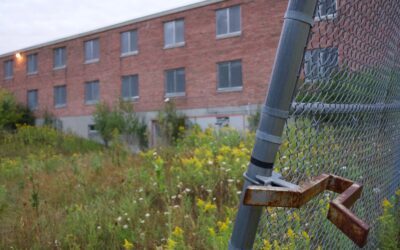
What Is the Troubled Teen Industry?
Every year, tens of thousands of American children are sent to residential programs that promise to fix them. This is the Troubled Teen Industry, and this is what you need to know about it.
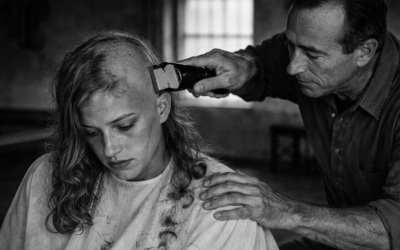
A Troubled History: How the TTI Began and Why It Persists
The Troubled Teen Industry has roots that run back to a 1950s drug rehabilitation cult. Understanding where it came from is essential to understanding why it is still here.
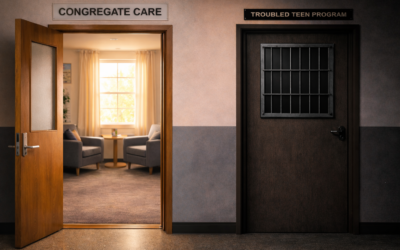
TTI vs. Congregate Care: Understanding the Difference
One of the most important distinctions in child welfare policy is one of the least understood: the difference between the Troubled Teen Industry and legitimate congregate care.
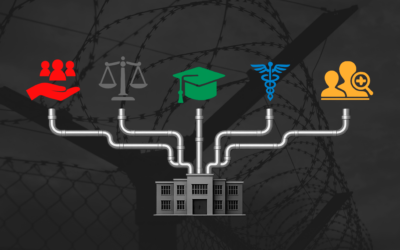
How Children Enter the TTI: Pipelines and Public Funds
The TTI receives approximately $23 billion in public funds annually. Taxpayers fund this industry through Medicaid, juvenile justice, child welfare, and school districts.

TTI vs. Juvenile Detention: Two Systems, One Pipeline
When a teenager ends up in front of a judge, they are often presented with what looks like a choice. In practice, both options can be equally harmful – and the TTI is the more dangerous one.

Seminars and LGATs: The Pseudo-Therapy at the Heart of the TTI
Many TTI programs advertise clinical therapy. What many actually deliver are Large Group Awareness Trainings derived from the adult human potential movement of the 1960s.
Education

Institutional Child Abuse and Social Work: The Gap We Are Closing
Social workers are often the last line of defense for children who might be placed in harmful programs. Yet the profession has largely lacked the framework to address institutional child abuse.
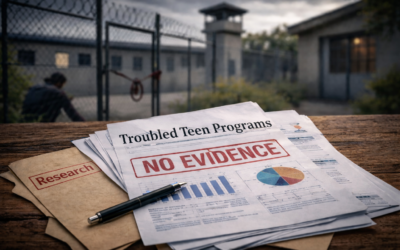
What the Research Actually Says About TTI Programs
The TTI has operated for decades on a premise the research does not support. From GAO reports to the 2022 Senate investigation, here is what the evidence actually shows.
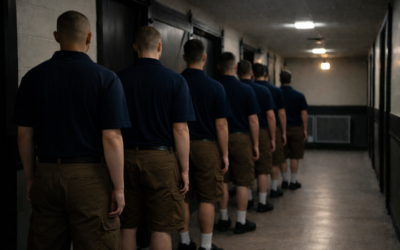
Coercive Control: How TTI Programs Keep Children Compliant
The TTI maintains control through a sophisticated architecture of psychological coercion that clinical researchers recognize from controlling relationships and cult environments.

Behavior Modification vs. Behavioral Therapy: Why the Difference Matters
TTI programs use clinical vocabulary while delivering punitive compliance systems. Understanding the difference is essential for anyone evaluating a residential program.

Complex PTSD and TTI Survivors: Understanding Institutional Trauma
Researchers and clinicians who work with TTI survivors consistently identify a clinical profile that maps onto Complex PTSD – the accumulated harm of sustained captivity during critical developmental years.

What Trauma-Informed Care Actually Means, And What It Is Not
Trauma-informed care is one of the most misused phrases in TTI marketing. Understanding what it actually requires – and how to identify when it is being appropriated – is essential.

A Clinical Guide for Therapists: The TTI, Program Recommendations, and Treating Survivors
If you work with children, adolescents, or adults, you will encounter the Troubled Teen Industry – whether or not you know it yet. This guide is for clinicians at both moments of that encounter.
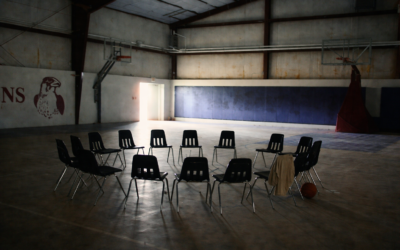
The Seminar Machine: How WWASP Used Cult Psychology to Sell Parents on Their Children’s Imprisonment
What made WWASP uniquely dangerous was a parallel cult structure designed specifically to neutralize the one force most likely to stop the abuse: parents.

A Shocking Revelation.
Aversion Therapy is a form of behavior modification in which the subject is exposed to an undesirable behavior, like drinking or smoking while simultaneously being subjected to some form of negative stimulus, like nausea inducing drugs or electric shocks. The desired...
Legislation

Religious Programs and Exemptions: How Faith Shields Abuse
Religious exemptions were designed to protect faith communities. They have become the most exploited loophole in child protection law, allowing some of the most abusive programs to operate unchecked.

What Federal Regulation of the TTI Would Actually Look Like
This is not a vague call for someone to do something. It is a concrete policy agenda with defined provisions, constitutional grounding, and a record of near-passage.

Opposition to SB0240: Standing Up Against the Troubled Teen Industry
Sometimes in lobbying, the cards are stacked against you. Lawmakers introduce legislation that threatens the progress made by previous policy, forcing advocates to fight just to maintain essential protections. This week, such a bill was introduced in the Utah State...
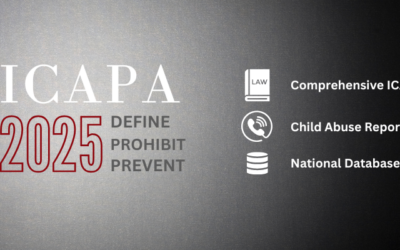
What Comes Next After the Passage of SICAA?
The passage of the Stop Institutional Child Abuse Act (SICAA) is a monumental victory for survivors and advocates. However, while this legislation lays the groundwork for meaningful change, it is just the beginning. SICAA mandates a comprehensive study to evaluate...
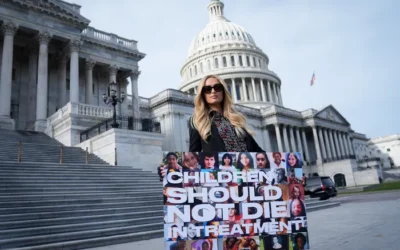
A Historic Victory: The Passage of SICAA
The Stop Institutional Child Abuse Act Has Officially Passed Congress In a historic victory for children’s rights, the Stop Institutional Child Abuse Act (SICAA) has passed Congress and was signed into law by President Joe Biden on Christmas Eve 2024. This monumental...
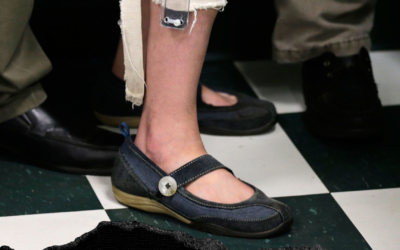
#StopTheShock
Survivor Movement

A Troubled Industry
The Troubled Teen Industry is a network of private youth programs that prey on struggling families. This is what it is, how it operates, and why federal reform is urgent.
Breaking Code Silence: Taking Back the Voice They Took
Before anyone outside the TTI had a name for it, survivors knew what it was. #BreakingCodeSilence gave it a name the rest of the world could finally hear.

We Raised Our Hands
On October 9, 2020, something happened in Provo, Utah that the troubled teen industry had never seen before. Hundreds of survivors, wearing black t-shirts emblazoned with the words “Breaking Code Silence,” gathered at Riverview Park from across the country. They came not as patients or cases or troubled kids. They came as witnesses. And they came to be seen.